
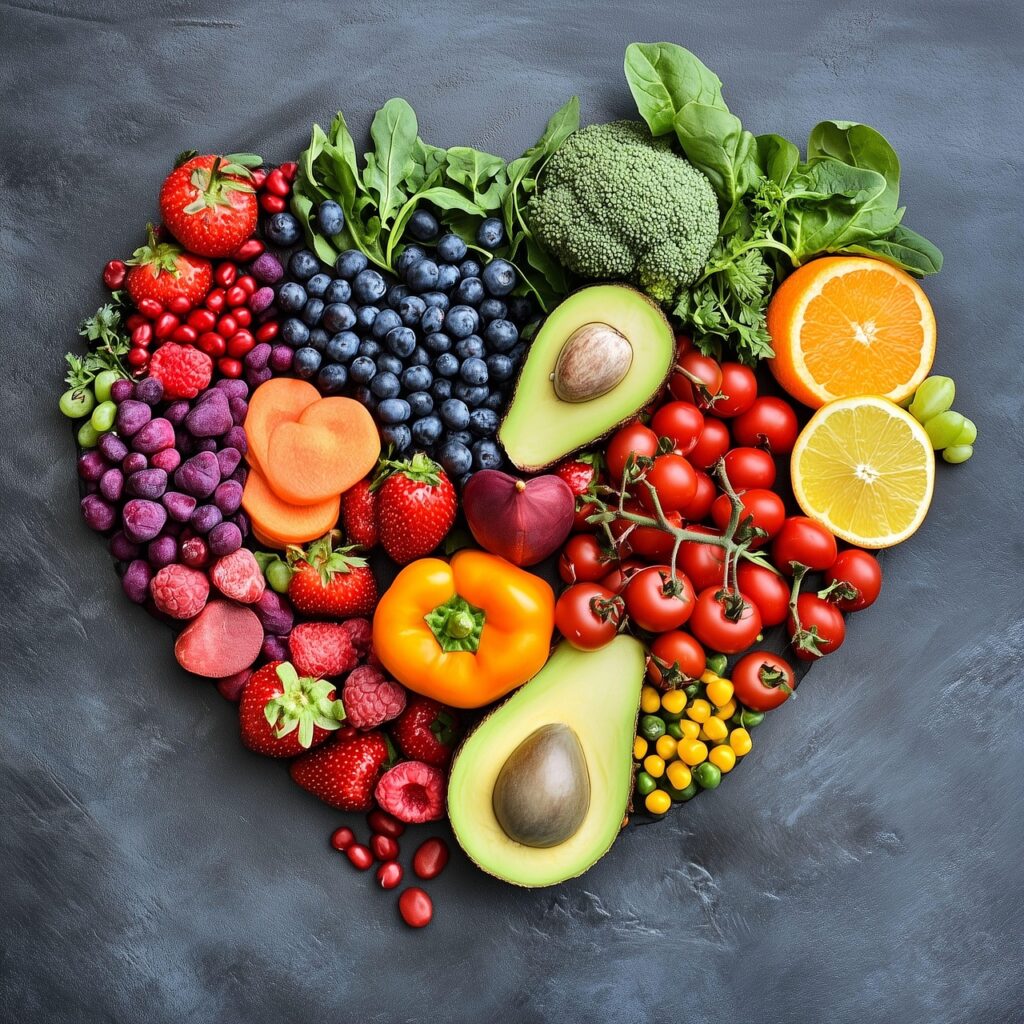
March is National Nutrition Month
The best medicine to keep your child healthy isn’t medicine at all. It’s the food and drink they consume every day. My March blog focuses on National Nutrition Month. Read on!
Childhood is an extraordinary time of growth, discovery, and rapid development. During these early years, the body and brain are building the foundation for future wellbeing. Nutrition isn’t just a supporting factor in this process—it’s one of the central pillars. When children receive the right balance of nutrients, they thrive physically, mentally, and emotionally. When they don’t, the effects can ripple far into adulthood.
Let’s explore why nutrition matters for children and how caregivers can help set them up for lifelong health.
Why Nutrition Matters So Much in Childhood
Fueling Growth and Development
Children grow at an astonishing pace. Bones lengthen, muscles strengthen, and organs mature. To support this growth, kids need:
- Protein for building tissues
- Calcium and vitamin D for strong bones
- Healthy fats for brain development
- Vitamins and minerals for everything from immunity to metabolism
Without adequate nutrition, growth can slow, and developmental milestones may be delayed.
Supporting Brain Development
The brain undergoes its most rapid development in the first few years of life. Nutrients like omega‑3 fatty acids, iron, zinc, and B vitamins play essential roles in:
- Memory formation
- Learning ability
- Emotional regulation
- Attention and focus
A well‑nourished brain is better equipped for school, social interactions, and problem‑solving.
Children are constantly exposed to new germs. Foods high in vitamins A, C, D, and E, along with iron, and zinc are critical for growth and function of immune cells.
Establishing Lifelong Eating Habits
Early food experiences shape a child’s preferences and relationship with food. Introducing a variety of flavors, textures, and healthy options helps children:
- Develop a positive attitude toward nutritious foods
- Avoid picky eating patterns
- Build habits that reduce the risk of chronic diseases later in life
Healthy habits formed early often last a lifetime.
Preventing Childhood Obesity and Related Conditions
Balanced nutrition helps maintain a healthy weight. Childhood obesity increases the risk of:
- Type 2 diabetes
- High blood pressure
- Joint problems
- Emotional challenges like low self‑esteem
A diet rich in whole foods—fruits, vegetables, whole grains, lean proteins—helps keep weight in a healthy range.
What Does a Healthy Diet Look Like for Kids?
A child’s diet doesn’t need to be complicated. It simply needs to be balanced and consistent. Key components include:
- Fruits: encourage your child to eat a variety of fresh, canned, frozen or dried fruits. Look for canned fruit that says it’s packed in its own juice. ¼ cup of dried fruit counts as one serving of fruit.
- Vegetables: choose peas or beans along with colorful vegetables each week.
- Whole grains: Brown rice, oats, whole‑wheat bread for energy and fiber
- Lean proteins: Chicken, fish, beans, eggs for growth
- Healthy fats: Nuts, seeds, avocados, olive oil for brain health
- Dairy: Encourage your child to eat and drink fat-free or low-fat dairy products such as milk, yogurt and cheese. Soy beverages also count as dairy.
- Plenty of water: To keep the body hydrated and energized
Limiting sugary snacks, processed foods, and sugary drinks also makes a huge difference.
The Role of Parents and Caregivers
Children learn by watching. When adults model healthy eating, kids naturally follow. Creating a positive food environment can include:
- Plan to have sit-down meals with your children where everyone eats at the same time. Minimize distractions from the television or electronic devices
- Offering healthy choices without pressure
- Involve your children in the planning and preparing of meals
- Offer a variety of foods and encourage them to try new things
Small, consistent actions build a strong foundation.
Final Thoughts
Nutrition is one of the most powerful tools we have to support a child’s health. It influences everything from physical growth to emotional well‑being and cognitive development. By prioritizing balanced, wholesome foods, caregivers give children the best possible start in life.
Looking for more information? The USDA has great resources available to get kids started on healthy eating adventures with games and activities. For comprehensive information on the topics discussed above, simply click the links provided in the article. These will direct you to the sources consulted in the preparation of this article.

Questions or comments? Contact me, Mark Steinberg.